FILMS TO WATCH IF YOU LOVED HAMNET
Are you okay? If you’ve just watched HAMNET you’re going to need a few minutes to catch your breath. I don’t know anyone who watched this remarkable movie and didn’t feel it’s depth. It seemed impossible to not feel the emotion and rawness of the characters, where they start, what they go through and where they end up.
I’m glad HAMNET is getting all the recognition this awards season and whilst there is a whole team behind a film, there is one person that drives the narrative in such a way that intuitively brought out the performances and created a space on set for the story to take on a power of itself. Chloe Zhao has stayed in mind since I watched Nomadland a few years ago. I can probably pinpoint it as the moment that I was amazed about what a female director could achieve in a film and the power of the female gaze. And she was the first women to win an Oscar for directing it!
Chloe Zhao is the woman I want to be when I grow up. The way she creates complete safety on set so that everyone can flourish in their own creativity, smashing the patriarchal hierarchies that have existed in Hollywood for almost 100 years. Crew on set likened the experience to a student film, in that there was such freedom and lack of ego. Even a recently transpired video of the cast dancing to Rihnanna’s we found love was the way that Zhao helped everyone to process and move through the complex and dark emotions that needed to be experienced to bring the richness to this film.
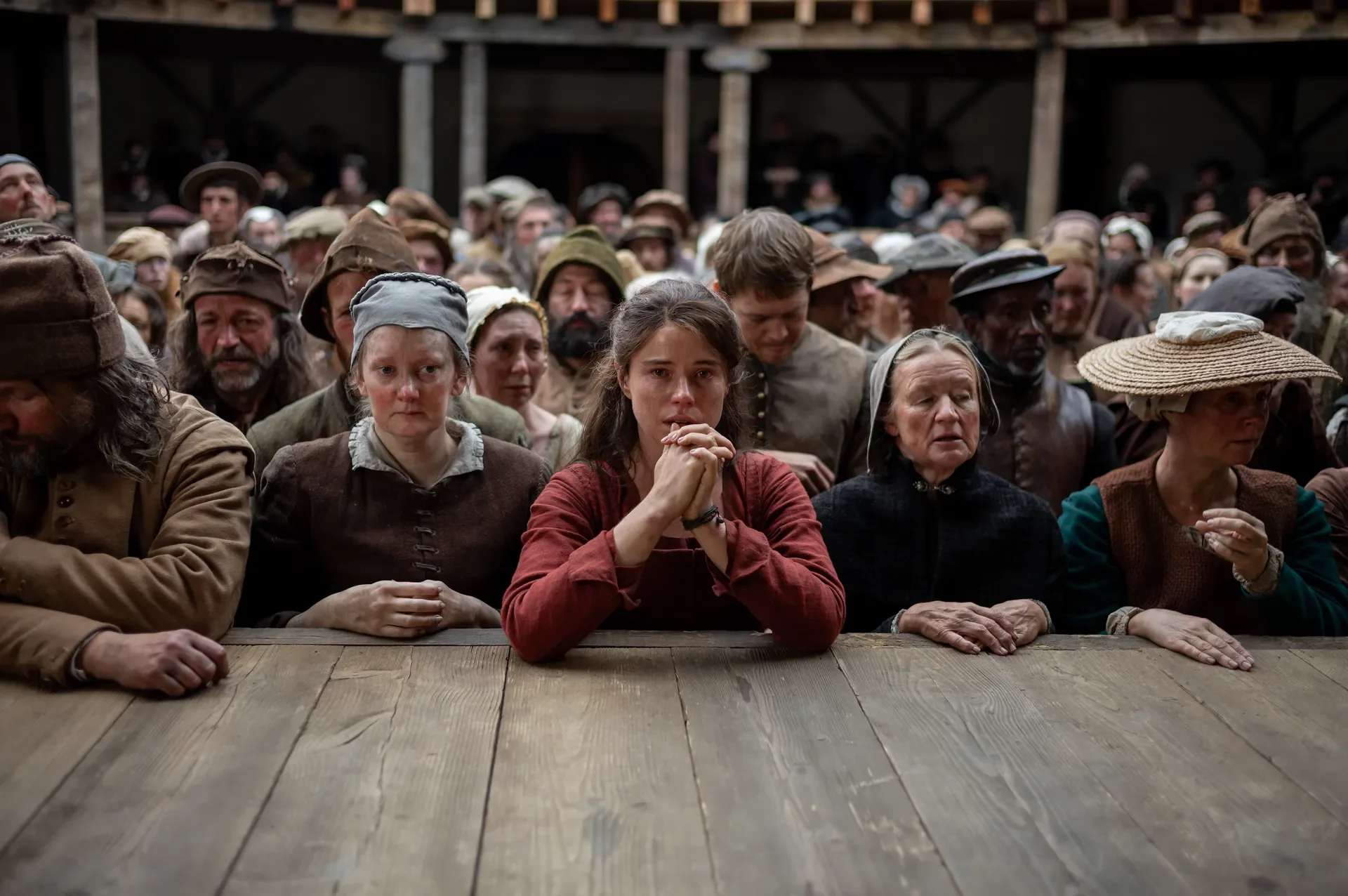
We had a great time at our Female Film Club last Tuesday discussing HAMNET. From the detail in the make up which was raw and understated yet fitting for the setting and period. The mud, the slight unkempt look. There was discussion over the childbirth scenes (where was the placenta when everything else was so realistic?) and how nature seemed like a character in the tale. We shared favourite scenes (mine was the late night scene where Shakespeare was drunk and struggling to write which I recently found out Paul Mescal was actually drunk!) and also discussed how the spoken language of the characters seemed completely different to Shakespearean verse. Female film club exists to highlight and elevate female directors, writers and cinematographers but it also creates a space to reflect on our own lives in community through the backdrop of female-told stories.
Which brings me on to other films I think you will LOVE if you enjoyed HAMNET. Now, if Im being completely honest these three films left me even more devastated than HAMNET and left me sobbing down the street and in a state of ephemeral existential crisis for a quite a while afterwards. The common thread seems to be the a gaze other than the male gaze (female and Queer). Paul Mescal also seems to feature a lot! There is also slow yet deliberate storytelling and exceptional use of music to elevate the emotional landscape.
NOMADLAND
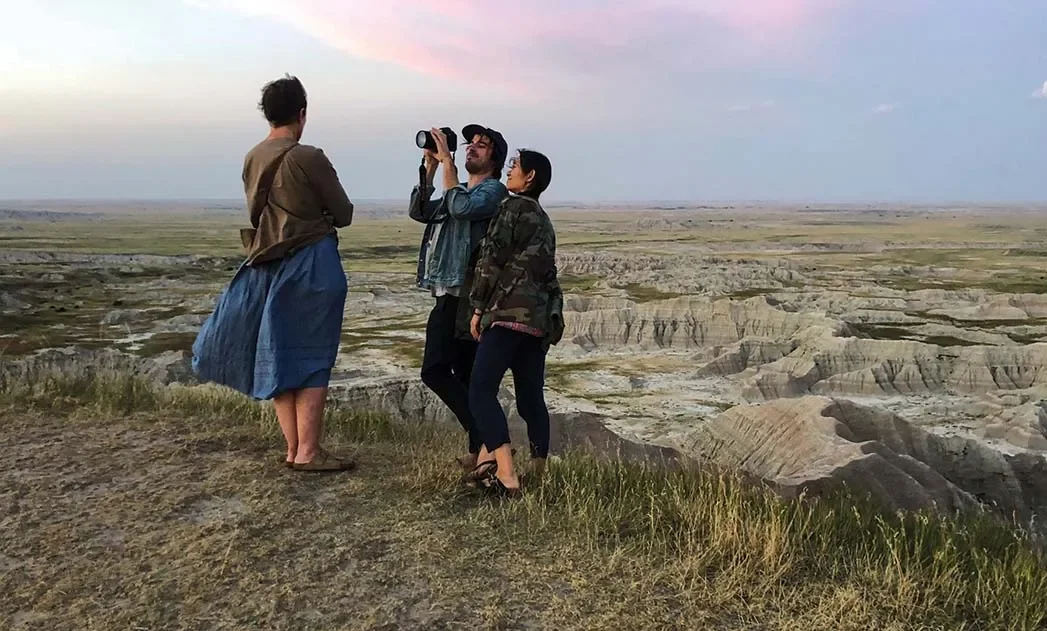
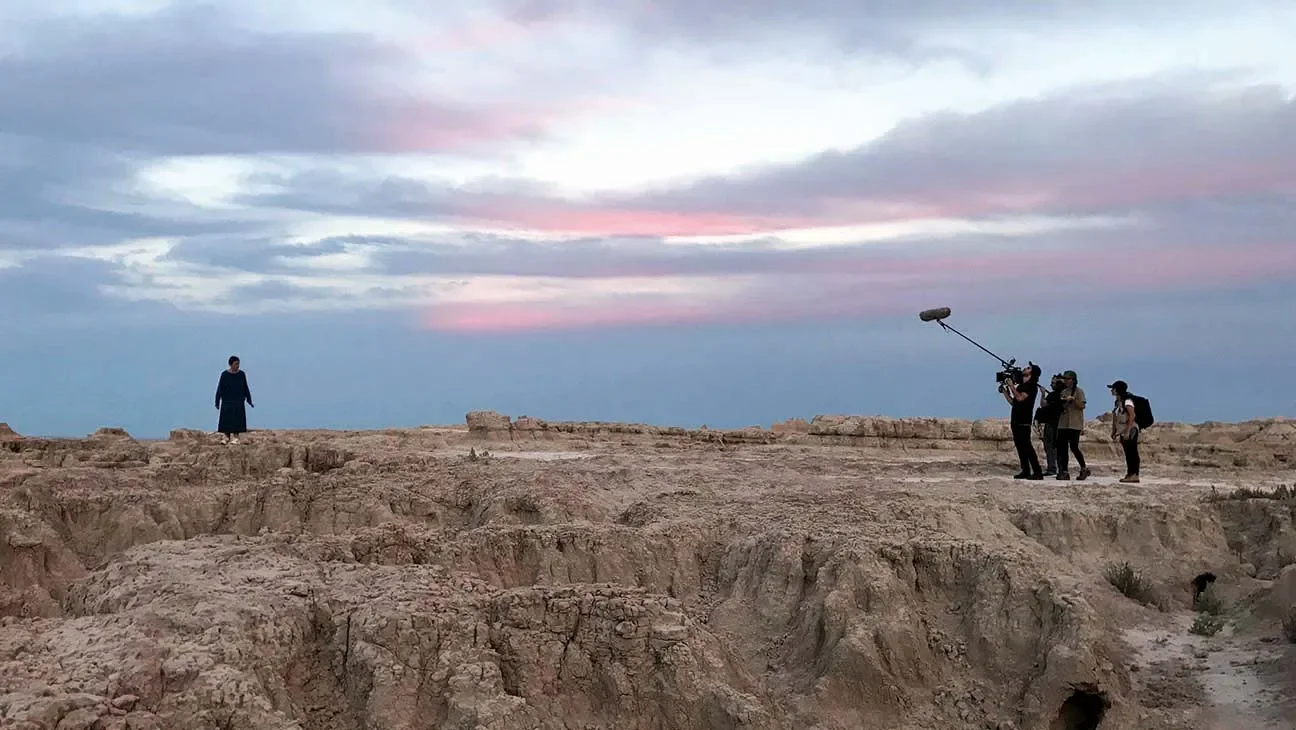
So I’m starting with another Chloe Zhao film as it was the film that inspired me to start Female Film Club. How often do we see a middle aged women take power of their life and live outside the box of what society expects of her (a theme of Hamnet you could argue and also of my recent read The Colony). When Frances McDormand’s character Fern loses her husband and her whole postcode in rural America, she chooses seasonal work and living in the Trailer Community as they travel around the country. The landscape plays an important role but one of astonishing elements of this movie is that most of the people we see on screen on not actors but from actual trailer communities. In this sense we get insight into Zhou’s ability to narratively build on documentary and guide the plot with authenticity. Like in Hamnet, iconic music, this time from Einaudi (Max Richter in Hamnet), creates heightened other-worldly emotional moments showing clarifying the character’s inner state. Frances floats downstream without any clothes defying all the devices of the male gaze (body pan, fragmented body parts and lack of agency). This was my favourite scene, the haunting piano chords against the immense vast beauty of the USA that I can testify has a powerful impact when experienced in the flesh. It’s a unforgettable movie moment. Nomadland is unique in its documentary feel and the natural but considered cinematography amid a grandiose backdrop. I’m yet to see The Rider by Chloe Zhao, but have been told that I must!
AFTERSUN
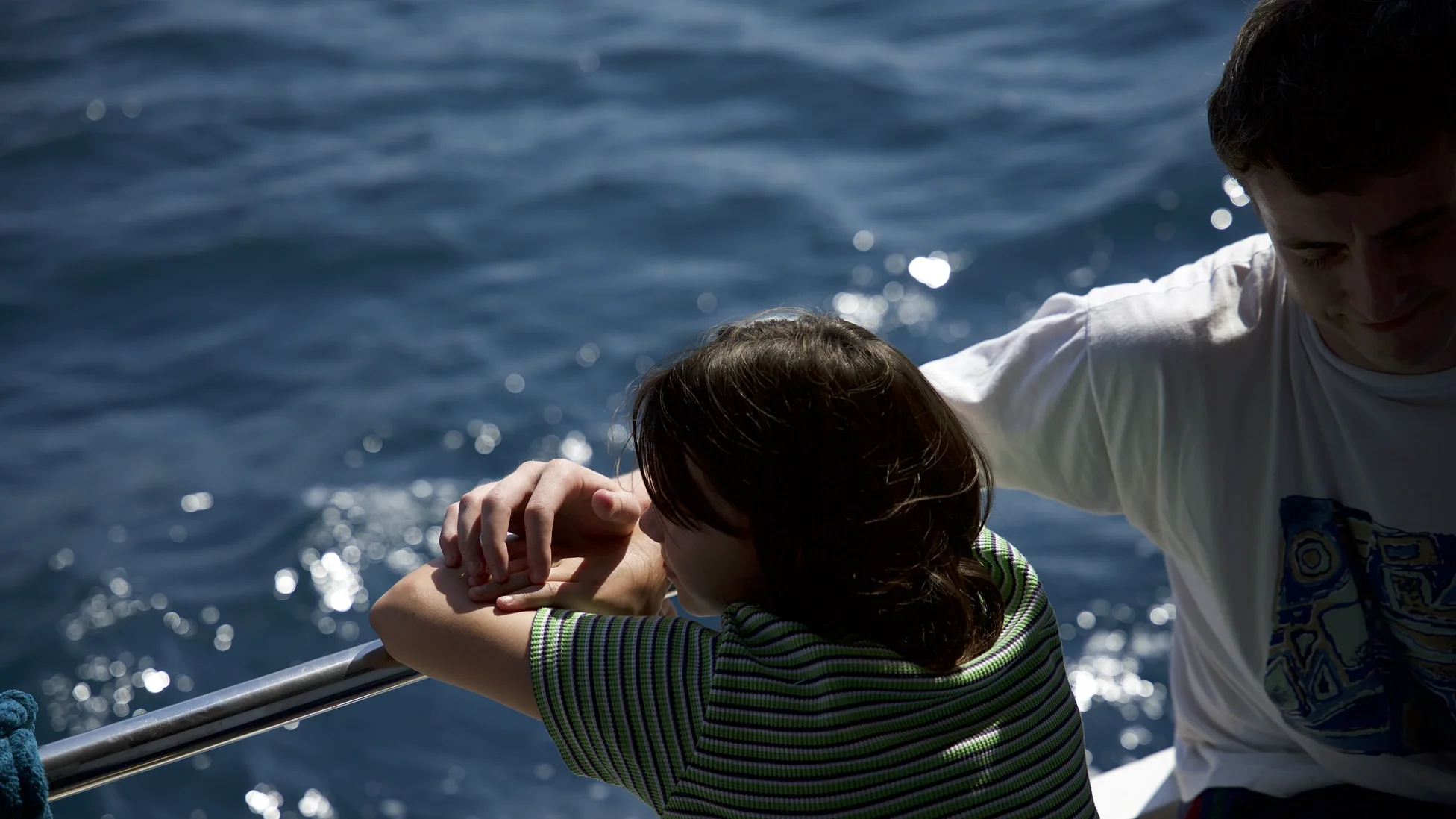
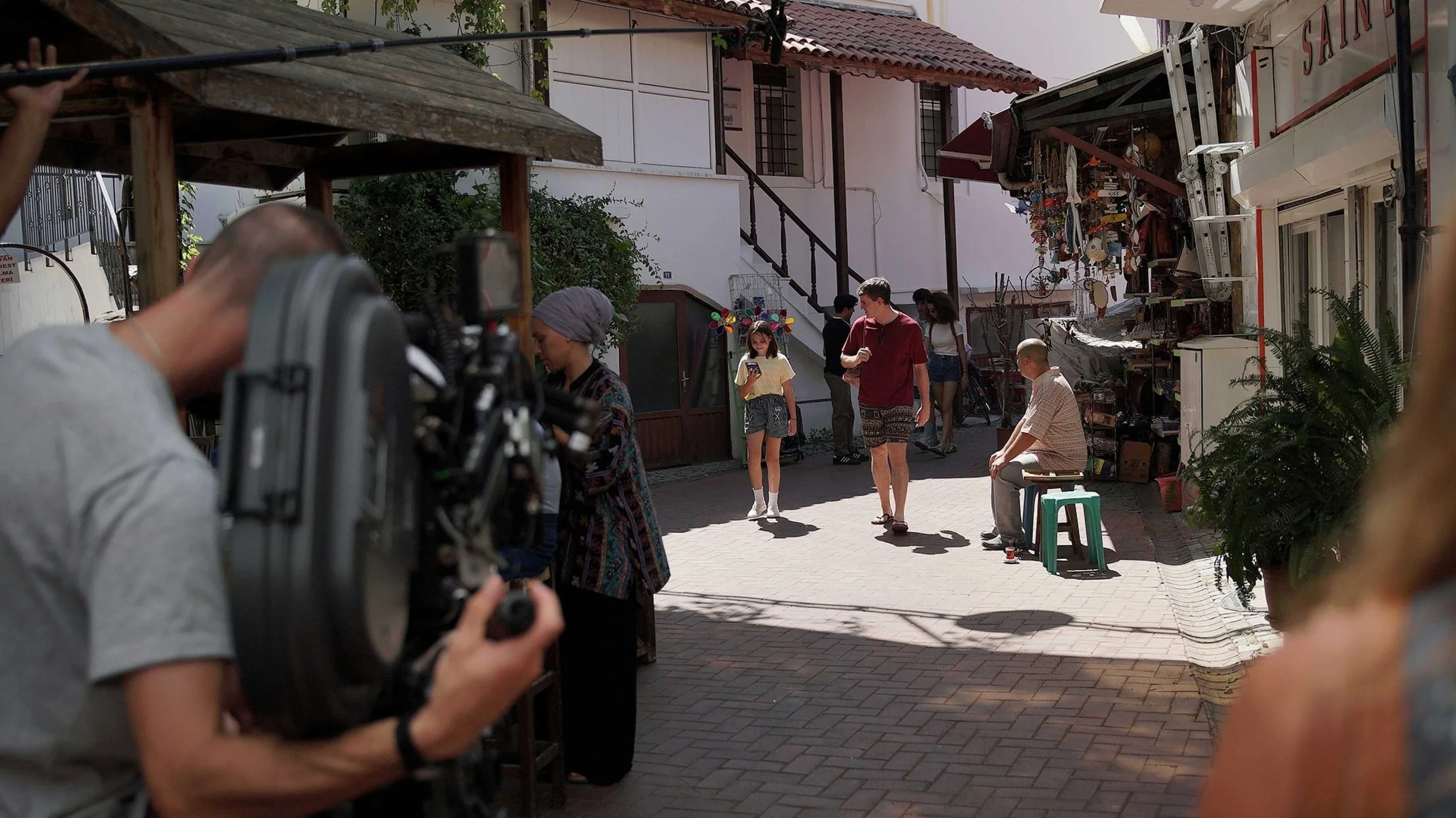
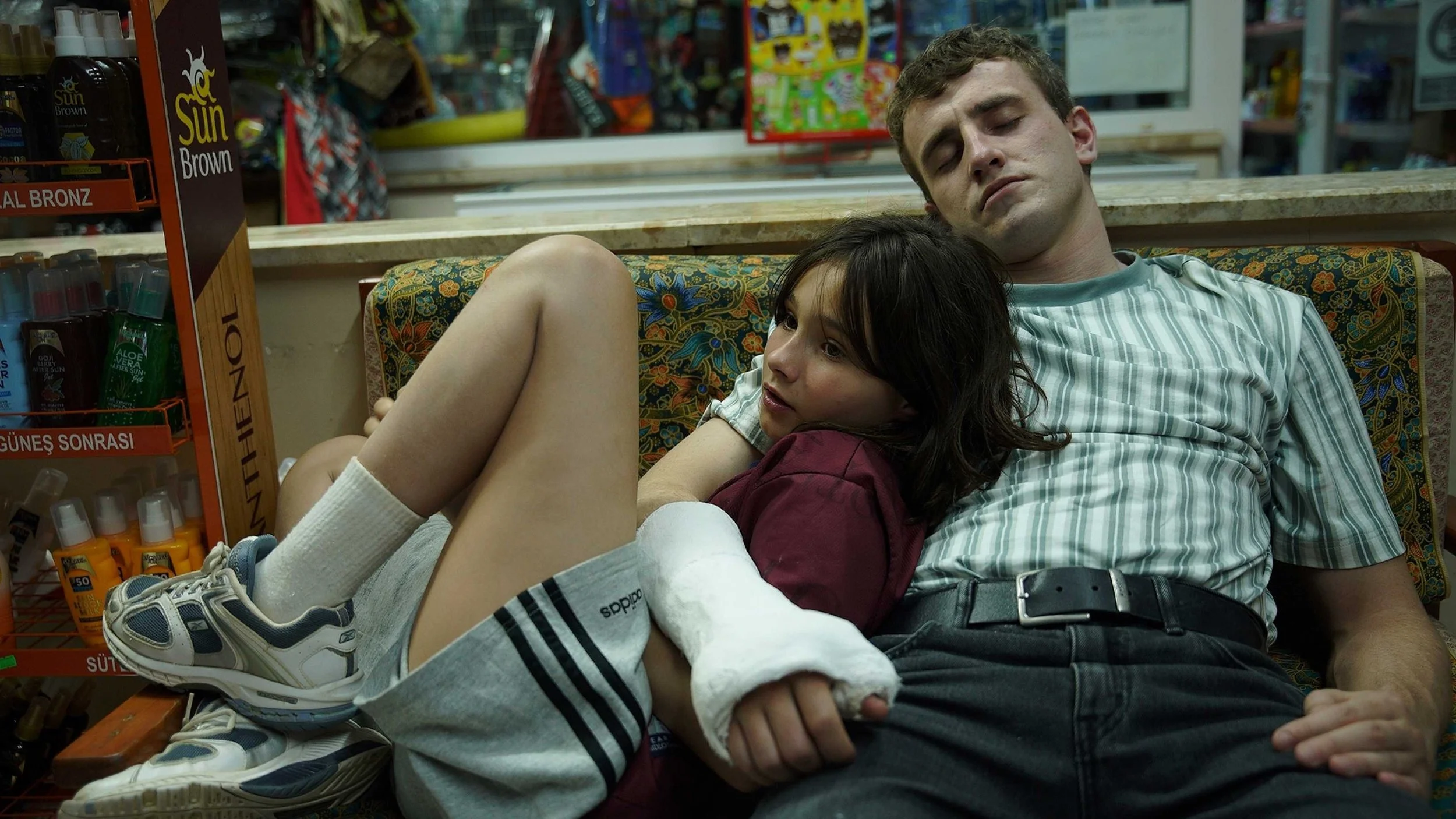
This coming of age movie doesn't apologise for its voyeuristic camera-work and slow pacing. Halfway through I was still unsure what genre of film I was watching. A young girl goes on holiday to Turkey with her father. She is having the time of her life with him but it transpires that there is more going on in his inner world. The magic here is that this is never explicitly revealed which I think is the power of the narrative. There is clever surrealist devices that keep bringing us back to this agenda and the final scene is completely mind-blowing in how it ties up the story. And it’s even amore astonishing that this is a debut feature from Charlotte Wells and based on her own life. Along with Christopher Nolan, I would say this is my favourite film in the last 10 years without a doubt. Filmmaking at it’s finest. Slow, thoughtful and immensely powerful.
My favourite scene is probably the final reveal and it confirms where the film has been heading the whole time. Even on a second viewing doesn't diminish it’s impact. It really pulls a punch - twenty seconds of no dialogue at all- the whole plot wrapped up in a bow. I should add that my father died when I was a teenager so there is a very personal connection to this work but I also think that there is very little storytelling about girls relationships to their fathers and the ache that we are often left with when that figure is absent from our lives for whatever reason. (A recent portrait client highlighted this to me).
I don’t see many films like this but I would say that Hamnet fits into this very personal and emotional exploration of parental relationship. And this leads me on to the next film…
ALL OF US STRANGERS
To set the scene, I went to see this delight of a movie in my local Picturehoue (which has very sadly shut down) for a silver screening. With subtitles and tea and biscuits. I was quite shocked when some of these older viewers left amid the gay love scene! All of us Strangers plunges into the lonely existence of a writer who lost both his parents when he was a young boy. He lives in a block of flats and a new tenant becomes the object of his desire. Amidst this unfolding relationship, Adam visits his childhood home and when he arrives his parents are still there at the age they were when they were both killed. Conversations that he has imagined all his life start to play out and as he re-visits, the surrealism takes on new charm. Again the ending is a gut punch that I will never recover from.
What brings some magic to this is the director Andrew Haigh who says, in my copy British Cinematographer magazine, that he never imagined coming out as gay let alone directing and writing a film that celebrates gay love. And to top it off, they shot the film in his actual childhood home in South London! This act of authenticity to the material is often how we get these films that are so daring in their authenticity and ability to connect to real human experiences. The amount of conversations that I have imagined with my Dad and the way memories and time merge into one is so seamlessly executed here. A favourite scene for me was the conversations in the house with the parents and especially addressing their inadequate responses to realising their son was gay. The raw performance from Andrew Scott, Claire Foy and Jamie Bell who carry the whole movie. I have no idea why there was no awards for this mastery of a film.
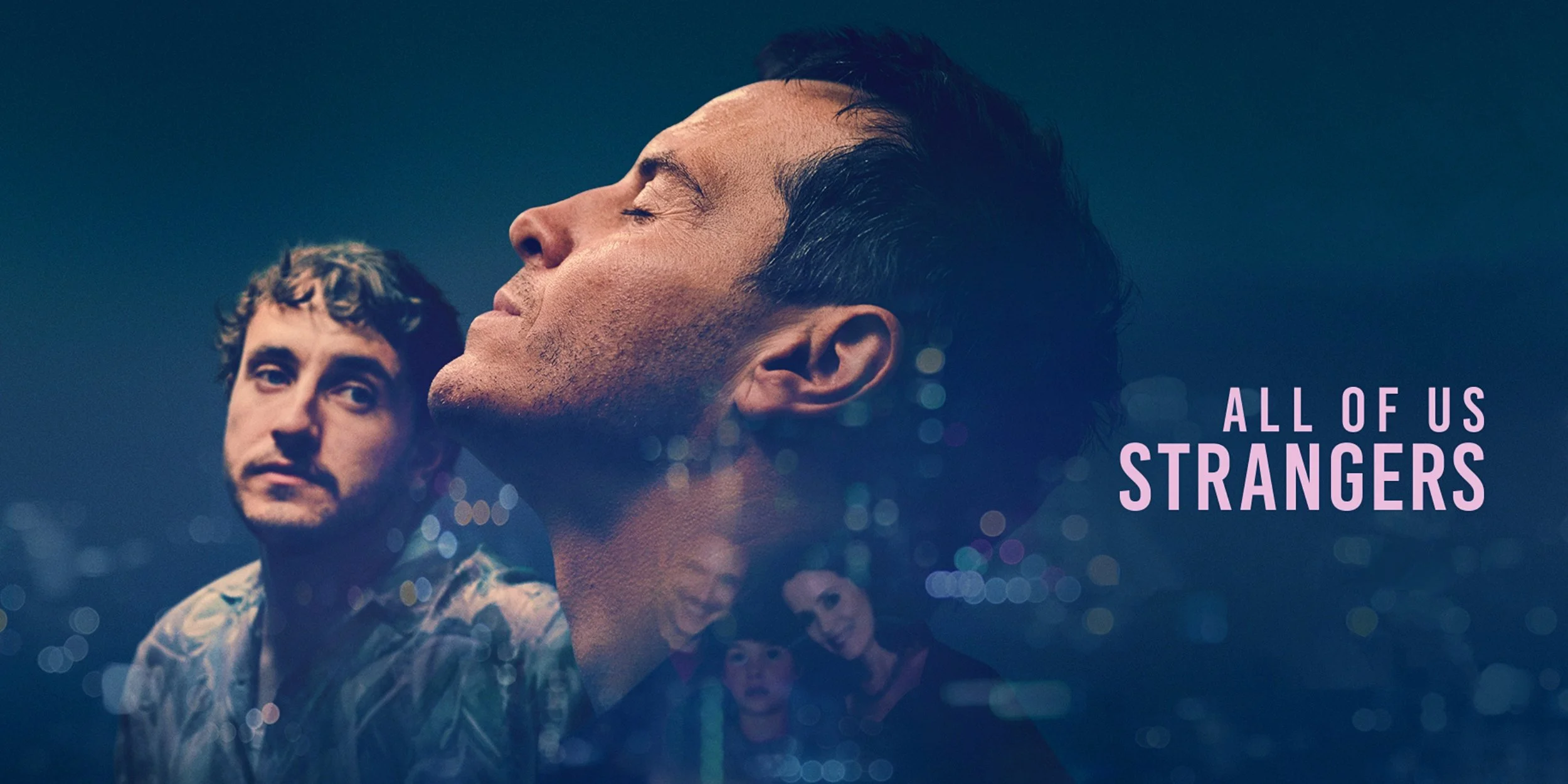
This is an important film as although our film club is concerned with the female gaze, the queer gaze is also important that gay voices are dictating what these relationships look like on screen from the inside, not a heterosexual view of what we think they might be like. Elevating these underrepresented voices in the film industry is something that we must assert because film creates culture and the male gaze has erased too many important stories for centuries. I believe the film industry has a responsibility to tell all stories and as Jane Goodall asserts when asked what she has discovered about humans from working with chimpanzees all her life, is that, “We have the ability to tell each other things we do not know.”
final thoughts
All these films let the story be told and what it leaves us with is ideas about what it really means to be human and why we need to make art. How and why to connect to others the way we do? What do we do with loss? Where do we pour our grief into so it doesn’t tear us apart? Even the director Zhao has spoken of how the act of making HAMNET was healing for her. And the exhibition by the still photographer Agata Grzybowska evidenced this in the prop and photographer exhibition about the in between moments of filming. Explore more of that here.
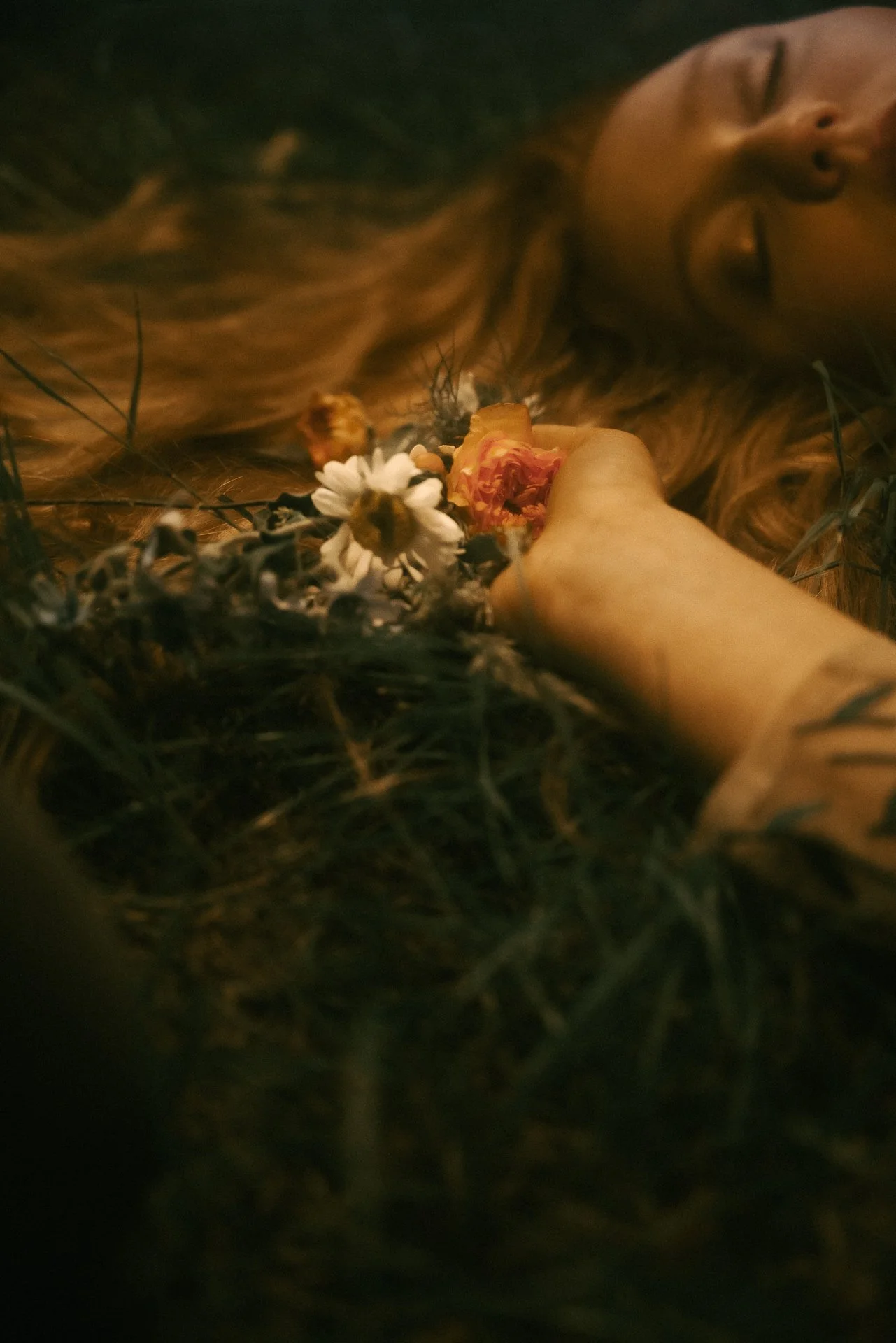
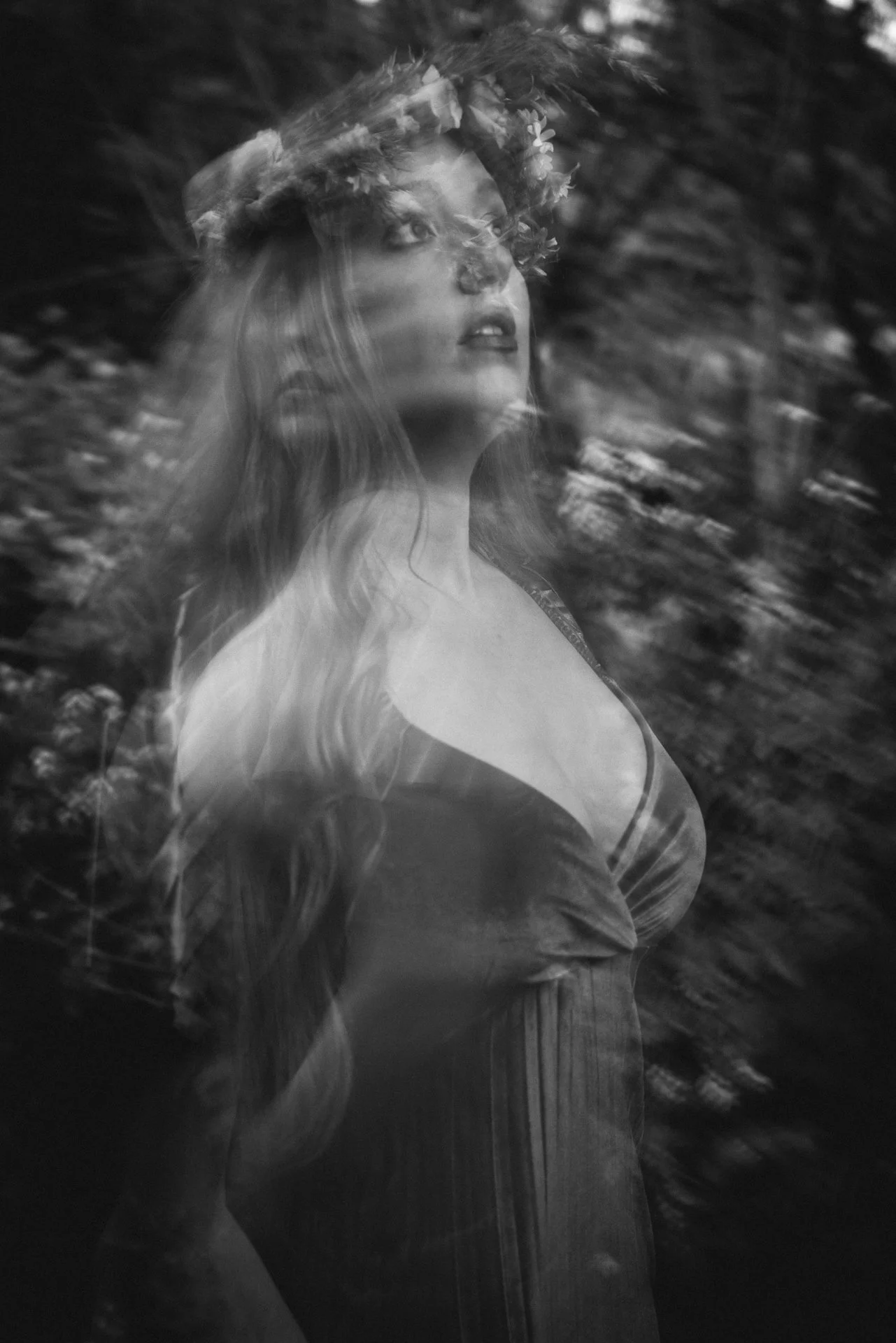
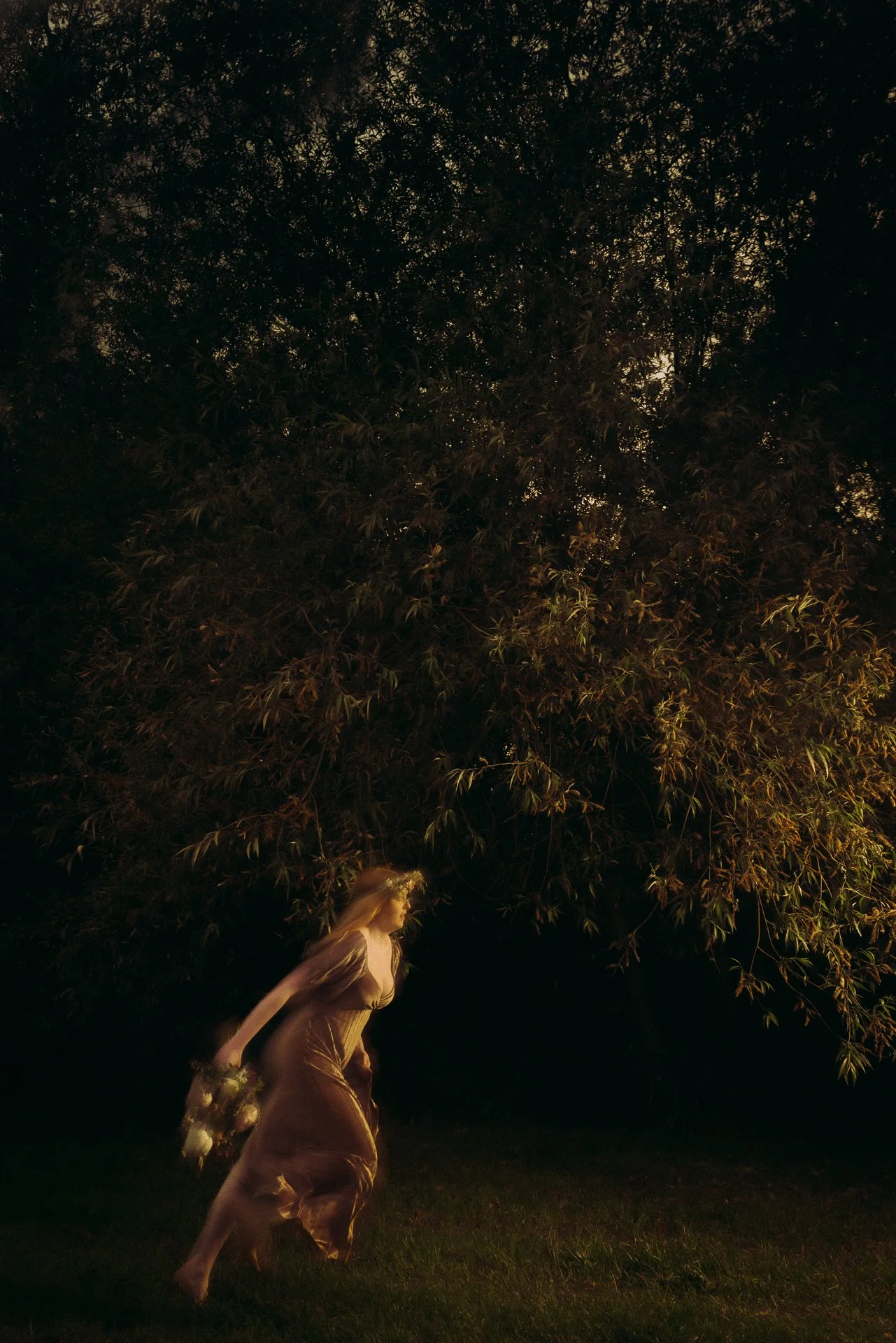
In my own photography work Lost Daughter, the text of Hamlet also called me to explore and create a new narrative around Opheila as a way to explore grief and express the inexpressible. I remember that early summer evening shooting in my local park and the sense of a physical release from my grief in that moment. It was a conscious relief of something I had carried for over two decades. The Lost Daughter exhibition created space for other artists to be with their own grief and have a place to safely discuss it. Grief always has a way of showing up in our lives and as a society we aren’t all that well equipped to deal with it. And this brings us back to HAMNET, an outpouring of pain into art, a place it can exist outside of us to lighter the heavy load of love that has nowhere to go.
“Give sorrow words; the grief that does not speak knits up the o-er wrought heart and bids it break.”
If you haven’t seen HAMNET yet, don’t forget to take tissues and talk to those around you about the themes. This is how we build a culture around deep connection and belonging in a world where technology, AI and fragile-ego leaders want convince us that power and control is more important that connection and community.

If you want to join our film club some other favourite watches over the last year has been Love Lies Bleeding, Saltburn and Past Lives. And Wuthering Heights is next on the agenda for Feb. Come join us…